A customer off Renner Road asked me a specific question during her annual furnace maintenance visit last October. She wanted to watch what I was actually doing and wanted me to explain each step. Most homeowners don’t ask that. They let the technician work and trust that whatever gets done is what should be done. Her question turned our visit into something closer to an educational session, and by the end she understood what thorough professional maintenance actually involves and how to evaluate whether future visits from any contractor were covering what they should. Here’s the actual heating contractor maintenance checklist professionals should be running during an annual visit, walked through section by section so Shawnee homeowners can recognize thorough work when they’re paying for it.
Checking Everything Before Touching Anything
The first thing a professional contractor does before any physical work is systematic observation of the current state. This sets the baseline that everything else gets compared against.
The specific pre-service observations:
- Current thermostat readings and operation verification
- System runtime observation during an actual heating cycle
- Baseline sound profile listening to startup, operation, and shutdown
- Visible condition assessment of the exterior furnace, venting, and immediate area
- Combustion area visual inspection before any cleaning that would obscure conditions
- Flame pattern observation including color, stability, and height
- Error history review on furnaces that store diagnostic codes
- Homeowner concern collection about any observations between service visits
For the Renner Road customer, this initial observation phase revealed that her furnace was producing a slightly irregular flame pattern that would have been corrected by my cleaning without being noticed. Documenting the pattern before cleaning allowed me to confirm the cleaning actually addressed the specific condition rather than just performing standard work.
For Shawnee homeowners generally, contractors who skip this observation phase in favor of jumping directly into cleaning or component work miss conditions that systematic observation would identify. The 15-20 minutes spent observing before working is actually some of the most valuable time in the entire visit.
Filter and Airflow System Attention
The airflow system including the filter affects essentially every other component of the furnace. Professional maintenance addresses this systematically rather than as a quick filter swap.
The specific airflow system activities:
- Filter replacement with appropriate type for the specific equipment and homeowner needs
- Filter housing inspection for leaks, seal condition, and debris accumulation
- Blower compartment inspection and cleaning as needed
- Blower wheel condition check for dust accumulation and balance
- Blower motor inspection including lubrication where applicable and amp draw testing
- Return air pathway inspection from registers back to the equipment
- Supply plenum inspection for obvious issues
- Ductwork visible inspection at accessible locations for obvious problems
For homes where the filter system hasn’t received professional attention, significant performance improvements often come from addressing accumulated issues in the airflow system. The filter is the most visible component, but the whole airflow system matters.
For the Renner Road customer, her blower wheel had significant dust accumulation that routine filter changes alone wouldn’t have addressed. Cleaning the blower wheel restored airflow that had been gradually degrading over several years.
Combustion and Burner System Work
The combustion side of the furnace is where safety and efficiency considerations converge, and professional maintenance addresses this systematically.
The specific combustion system activities:
- Burner inspection and cleaning as needed
- Burner alignment verification for proper combustion
- Gas valve operation testing
- Gas pressure measurement at the appropriate test ports
- Flame sensor cleaning which is particularly common attention item
- Ignition system testing whether hot surface, electronic, or standing pilot
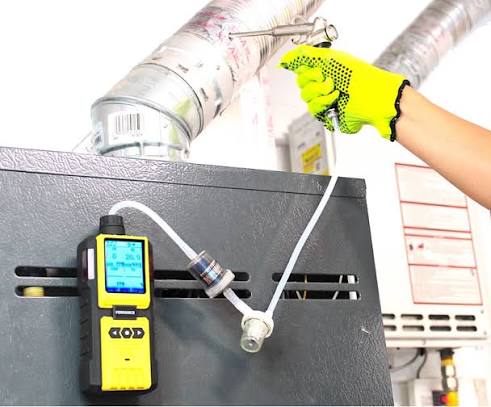
- Combustion analysis using calibrated equipment measuring efficiency and safety parameters
- Carbon monoxide testing at relevant locations
For furnace repair services or maintenance visits specifically, the combustion analysis portion is what distinguishes thorough professional work from basic visual inspection. The specific measurements identify efficiency drift and safety concerns that visual inspection alone misses.
Heat Exchanger Inspection That Matters
The heat exchanger is the most safety-critical component in a gas furnace, and its inspection requires specific attention that routine visits sometimes skip.
The specific heat exchanger attention:
- Visual inspection from accessible angles for any visible cracks, corrosion, or discoloration
- Thermal imaging on units where additional assessment is warranted
- CO testing downstream of the heat exchanger as part of combustion analysis
- Operational observation for any signs of combustion gas escape
- Age-appropriate scrutiny since older heat exchangers warrant more careful inspection
- Flame behavior observation for patterns suggesting heat exchanger issues
- Documentation of condition supporting future comparisons
For homeowners whose heat exchanger has received only cursory attention during past service visits, the systematic inspection during proper maintenance can identify developing conditions early enough for repair rather than forced replacement.
For Shawnee homes with furnaces beyond 10 years of age, the heat exchanger attention is particularly important. Developing issues caught during their early stages sometimes allow continued service life. Issues discovered after significant progression typically require system replacement.
Electrical System Testing and Verification
The electrical side of the furnace includes multiple components that each affect reliability. Professional maintenance tests rather than assumes.
The specific electrical activities:
- Control board inspection for visible condition
- Capacitor testing on motors and other components with capacitors
- Transformer verification for proper voltage output
- Wiring connection inspection for tightness and corrosion
- Safety switch testing including limit switches, roll-out switches, and pressure switches
- Thermostat wire verification at both ends of the thermostat run
- Voltage and amperage readings on major components
- Grounding verification for safety
For Shawnee homes where electrical component issues have been developing without detection, testing during maintenance identifies problems before they produce failures. The specific measurements provide actual data rather than visual assumption.
For the Renner Road customer, her capacitor testing revealed one capacitor reading at the low end of acceptable range. We replaced it preventively rather than waiting for failure, which is the kind of judgment call that professional testing enables.
Condensate and Venting Attention for High-Efficiency Systems
For high-efficiency furnaces (90%+ AFUE), the condensate and venting system requires specific attention that mid-efficiency equipment doesn’t need.
The specific high-efficiency attention:
- Condensate drain inspection for proper flow and any clogs
- Drain line cleaning as needed
- Condensate pump operation testing if the system uses one
- Trap inspection and cleaning
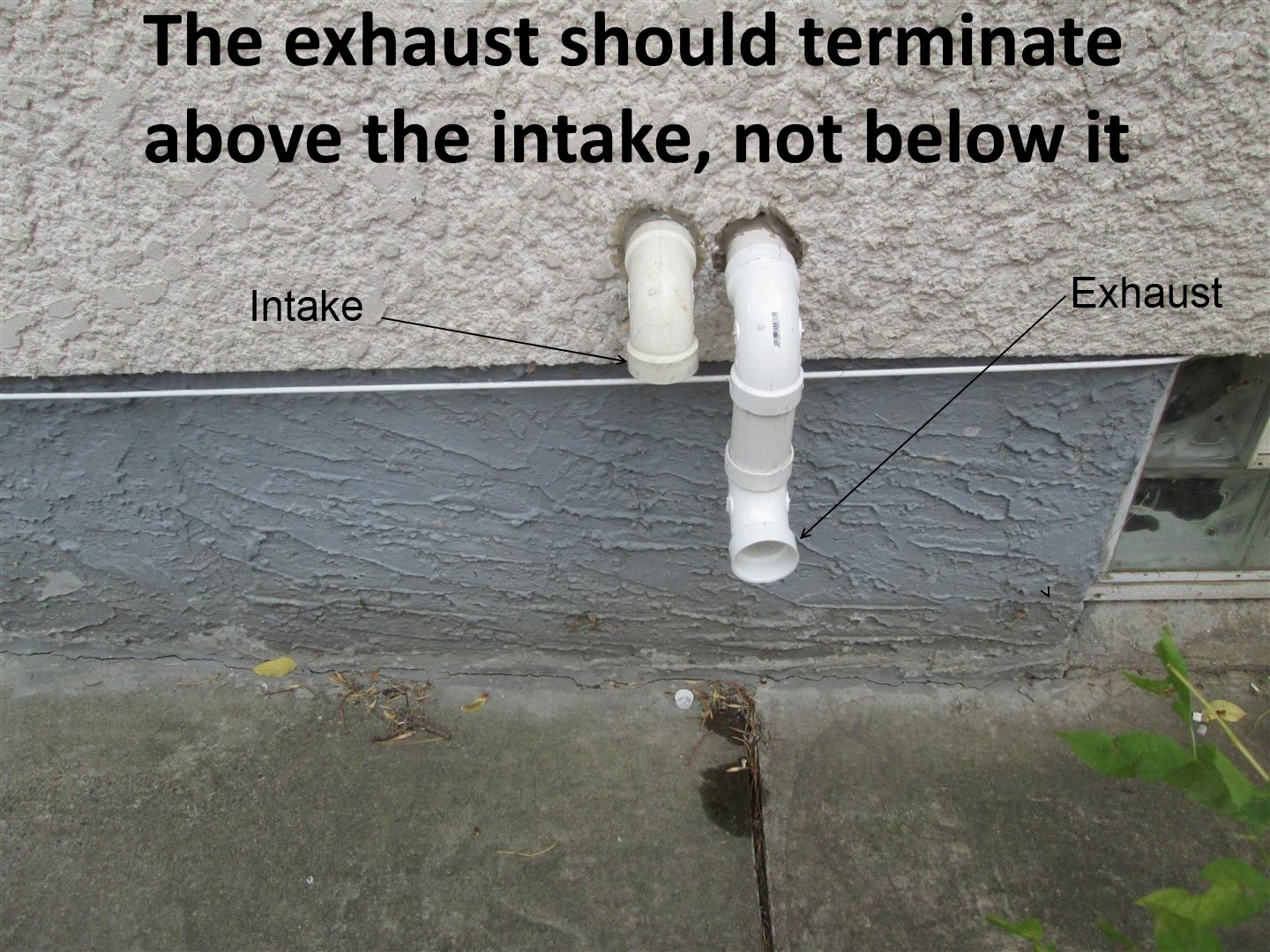
- Flue pipe inspection including slope verification and connection integrity
- Intake pipe inspection on sealed combustion systems
- Exterior vent inspection for blockages, bird nests, or damage
- Neutralizer replacement on systems using condensate neutralizers
For high-efficiency systems specifically, the condensate issues are among the most common causes of operational problems. Systematic attention prevents most of the condensate-related failures that produce service calls during heating season.
Verification Testing After All Work
Once the maintenance work is complete, systematic verification confirms everything is operating properly before the contractor leaves.
The specific verification activities:
- Complete operational cycle observation from startup through shutdown
- Temperature rise measurement across the heat exchanger
- Final combustion analysis confirming post-service performance
- Safety switch verification that all safety controls function properly
- Sound profile comparison against the pre-service baseline
- CO testing at living space locations confirming safety
- Thermostat operation verification at the control
- Documentation completion of all measurements and observations
For Shawnee homeowners wondering whether their maintenance visits are thorough, the verification phase is one of the most visible indicators. Contractors who just pack up and leave after cleaning without systematic verification may have skipped portions of what proper maintenance includes.
For the Renner Road customer, her verification results documented specific improvements from the service: her temperature rise moved from 56°F pre-service to 51°F post-service (closer to optimal), her combustion efficiency improved by 2.3 percentage points, and her blower amp draw dropped by 0.8 amps. Those specific measurements showed concrete results rather than just assuming the service produced value.
Documentation and Homeowner Communication
The final professional maintenance phase involves documentation and homeowner communication that supports both immediate and future considerations.
The specific documentation activities:
- Written service report including work performed and measurements taken
- Condition assessment of major components with any concerns noted
- Recommended future attention for components approaching service needs
- Safety verification documentation
- Warranty maintenance record supporting equipment warranty requirements
- Photographic documentation of specific conditions when relevant
- Honest age-related guidance about equipment reaching service life thresholds
- Homeowner questions addressed about operation, performance, or concerns
For HVAC maintenance relationships with professional contractors, this documentation phase significantly affects long-term value. Property owners with substantive written records of service history and equipment condition make better decisions than owners relying only on memory of past verbal conversations.
For the Renner Road customer, her service report documented the specific measurements and observations that will serve as comparison baselines during future annual visits. The documented history supports both future maintenance decisions and eventual replacement timing when it becomes relevant.
What Proper Heating Contractor Maintenance Actually Delivers
A thorough heating contractor maintenance checklist covers pre-service observation, airflow system attention, combustion and burner work, heat exchanger inspection, electrical testing, condensate and venting attention for high-efficiency systems, verification testing, and documentation. Shawnee homeowners whose maintenance visits consistently cover these specific areas see HVAC equipment reaching or exceeding rated service life while operating at the efficiency and reliability the equipment was designed to deliver. Homeowners whose maintenance visits skip portions of this checklist see equipment underperforming its potential and failing earlier than it should. The Renner Road customer’s question about what proper maintenance involves is actually the right question to ask. The specific checklist that defines thorough professional work is the standard that distinguishes contractors delivering genuine value from contractors performing basic cleaning and calling it maintenance.
Get Thorough Heating Contractor Maintenance at Your Shawnee Home
The team at Air Care is ready to help. Contact us today to schedule annual heating contractor maintenance at your Shawnee, KS home that covers the complete professional checklist rather than abbreviated work that misses what thorough maintenance should actually deliver.
