
A customer off Midland Drive asked me a specific question during a service visit last December after I’d finished replacing her failed inducer motor. She wanted to know why furnaces actually fail. Not what the symptoms were, not when failure happens most often, but what causes the underlying problems that lead to the eventual symptoms. The honest answer surprised her a little because the actual causes of heating system failure fall into a handful of specific categories that are much more predictable than most homeowners realize. Understanding the common causes of heating system failure helps Shawnee homeowners recognize why their systems may be heading toward specific problems and what the underlying patterns actually are. Here’s the honest look at what actually causes heating systems to fail across the properties we service year after year.
Cause One: Deferred or Inadequate Maintenance
The single most common cause of heating system failure is simply accumulated effect of maintenance that wasn’t performed or wasn’t performed adequately.
The specific maintenance-related failure patterns:
- Air filter neglect leading to restricted airflow, strained components, and premature wear on blower motors
- Burner cleanliness affecting combustion efficiency and producing incomplete combustion over time
- Heat exchanger condition degrading without inspection, eventually producing cracks that force system replacement
- Blower component wear accelerating without lubrication and inspection
- Flue venting issues developing without inspection, affecting combustion safety and efficiency
- Condensate system on high-efficiency units developing clogs and corrosion
- Electrical connection deterioration affecting component reliability
- Gas valve calibration drifting over time without professional adjustment
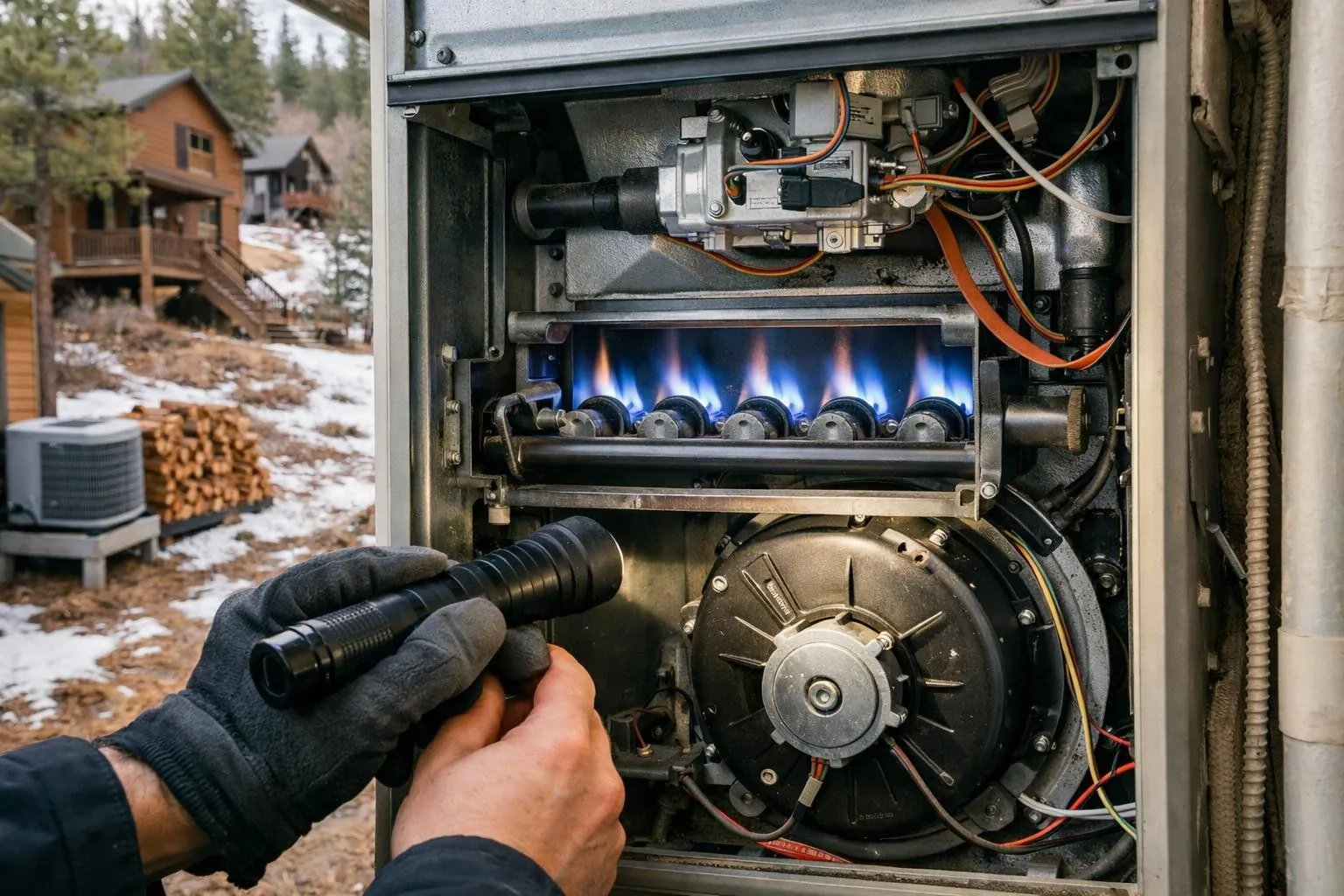
For the Midland Drive customer, her inducer motor failure traced partly to accumulated airflow restriction from a filter that had been changed less frequently than recommended across several years. The specific component that failed wasn’t the component with the original problem. It was a downstream component that failed from the strain created by the upstream neglect.
For Shawnee homes specifically, the pattern of furnaces lasting substantially less than their rated service life almost always traces back to maintenance patterns rather than to inherent equipment problems. Properties on annual professional HVAC maintenance schedules consistently see equipment reaching or exceeding rated service life. Properties on reactive-only maintenance patterns consistently see earlier equipment replacement.
Cause Two: Age-Related Component Degradation
The second major cause is simple age-related wear on components that have specific service life limits.
The specific age-related failure patterns:
- Blower motor bearings wearing out after years of continuous operation during heating and cooling seasons
- Capacitor failure in motors and electrical components after accumulated start cycles
- Heat exchanger fatigue from thousands of heating cycles producing eventual cracks
- Ignition component wear including hot surface igniters that have specific lifespan
- Gas valve degradation from cycle count rather than calendar age
- Control board deterioration from thermal cycling across years of operation
- Flame sensor corrosion affecting reliable ignition
- Transformer failure from continuous electrical load
For furnaces reaching 12-18 years of age, age-related component failures become predictable rather than exceptional. Systems in this age range typically face either systematic component replacement or full system replacement decisions.
For furnace repair situations involving age-related failures, the honest assessment question is often whether individual component replacement makes sense versus investing that money toward system replacement. The per-remaining-year math typically points toward replacement for systems beyond 15 years where component failures start occurring in sequences.
For the Midland Drive customer, her 14-year-old furnace was in the age range where the inducer motor failure might reasonably be followed by other component failures over the next few years. Her situation included that longer-term planning discussion alongside the immediate repair.
Cause Three: Installation and Design Issues
The third common cause involves original installation or system design issues that affect long-term performance.
The specific installation-related failure patterns:
- Improper sizing including oversized systems that short-cycle and undersized systems that run constantly
- Ductwork inadequacy producing airflow restrictions that strain components throughout the system
- Poor venting design affecting combustion safety and efficiency
- Incorrect gas pressure at installation that stresses components across years of operation
- Inadequate electrical supply affecting component reliability
- Poor location including inadequate clearance, moisture exposure, or inaccessibility affecting both maintenance and component life
- Mismatched components where furnace, AC, and air handler aren’t properly paired
- Code-compliant-only installation meeting minimum standards rather than best-practice standards
For Shawnee homes specifically, the installation quality variation across local contractors and historical installations produces different vulnerability patterns across similar-vintage properties. Properties with careful original installation often outperform properties with minimum-compliant installation by years of service life.
For situations where repeated issues trace to installation or design factors, the appropriate response often involves addressing the underlying installation issues rather than just repeatedly replacing components stressed by the installation problem. The long-term cost math often favors fixing root causes.
Cause Four: Environmental and Operational Stress
The fourth common cause involves environmental conditions and operational patterns that stress systems beyond normal design parameters.
The specific environmental stress patterns:
- Dust and debris exposure in homes with pets, construction activity, or specific environmental conditions
- Humidity extremes affecting component corrosion and electrical reliability
- Temperature extremes during Kansas City summer and winter weather events
- Power quality issues including voltage fluctuations affecting electrical components
- Chemical exposure from household products, cleaning supplies, or renovation activities
- Pest damage particularly from mice and insects accessing equipment
- Water exposure from plumbing issues, condensate problems, or environmental moisture
- Pollen and vegetation debris affecting outdoor equipment components
For Kansas City metro climate specifically, the combination of hot humid summers and cold winters produces operational stress across annual cycles that milder climates don’t impose. Equipment designed for the cycle holds up well. Equipment not fully protected from the cycle wears faster.
For Shawnee properties with specific environmental factors like substantial pet dander, significant pollen exposure, or renovation activity, the environmental stress contribution to eventual failure is often substantial. Addressing environmental factors where possible extends equipment life meaningfully.
For the Midland Drive customer, her utility room location had significant dust accumulation from storage of various household items. The environmental dust contribution to her airflow restriction added to the filter-change pattern to produce the cumulative stress that eventually failed her inducer motor.
Cause Five: Operator Patterns and System Abuse
The fifth cause involves how the system is actually operated, which affects long-term equipment stress in ways homeowners often don’t recognize.
The specific operational patterns:
- Extreme thermostat setbacks forcing systems to recover from large temperature differences repeatedly
- Short-cycling patterns from thermostat settings or sizing issues
- Running with doors and windows open creating conditions the system can’t handle efficiently
- Blocking supply or return vents creating airflow restrictions that stress components
- Ignoring warning signs allowing minor issues to progress to major failures
- DIY repair attempts using inappropriate parts or techniques
- Delaying service past points where minor repairs resolve situations
- Running systems at extreme settings during weather events
For most Shawnee homes, operational patterns matter less than maintenance patterns but still contribute to total equipment stress. Systems operated with reasonable thermostat practices and respect for operational limits consistently outlast systems operated with more aggressive patterns.
Cause Six: Related System Failures
The sixth cause involves failures in related systems that cascade into heating system damage.
The specific related system patterns:
- Electrical system issues including breakers, wiring, and panel problems affecting HVAC equipment
- Plumbing failures producing water damage to equipment
- Gas supply issues including pressure problems or interruptions affecting combustion
- Structural issues including roof leaks or foundation moisture affecting equipment installations
- Appliance interactions including gas appliances competing for gas supply
- HVAC system imbalances where AC issues affect furnace performance or vice versa
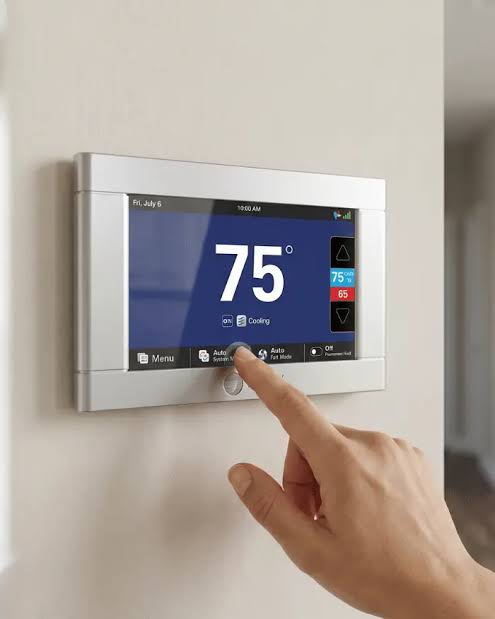
- Thermostat failures affecting system operation and control
- Zoning system issues on properties with zoned heating affecting individual zones
For Shawnee homes with specific related system issues, addressing those issues often resolves apparent HVAC problems that were actually caused by related system problems rather than HVAC problems themselves.
For the Midland Drive customer, her situation didn’t involve significant related system cascading, but we discussed how her aging water heater installed near the furnace could potentially produce future issues if water heater failure allowed water to reach the furnace.
How Shawnee Homeowners Can Actually Reduce Failure Risk
Beyond understanding the causes, specific practices meaningfully reduce heating system failure risk across all these cause categories.
The specific risk-reduction practices:
- Annual professional maintenance addressing the maintenance-related causes systematically
- Realistic service life planning for equipment approaching age-related failure windows
- Installation quality assessment when existing systems show patterns suggesting installation issues
- Environmental protection including addressing dust, moisture, and pest exposure
- Reasonable operational patterns including moderate thermostat practices and vent accessibility
- Prompt response to warning signs before progression to major failures
- Related system attention addressing issues that could affect HVAC equipment
- Documentation of service history and system condition supporting decision making
For Shawnee homeowners, these practices typically require modest attention and expense while consistently producing equipment that reaches or exceeds expected service life. The alternative, reactive response to failures as they occur, consistently produces earlier equipment replacement and higher total costs.
What Heating System Failure Causes Actually Reduce To
The common causes of heating system failure trace to the specific combination of deferred maintenance, age-related degradation, installation and design issues, environmental and operational stress, operator patterns, and related system failures. Each cause operates somewhat independently, but they combine in specific properties to produce the particular failure patterns those properties experience. Shawnee homeowners who understand these cause categories can address the ones within their control and plan for the ones that aren’t. The Midland Drive customer’s situation combined maintenance patterns, age factors, and environmental stress in the specific combination that produced her inducer motor failure. For every Shawnee homeowner wanting heating systems that reach full service life rather than failing earlier, addressing the preventable causes systematically consistently produces the equipment longevity that reactive-only approaches don’t deliver.
Get Professional Heating System Assessment at Your Shawnee Home
The team at Air Care is ready to help. Contact us today for professional heating system assessment at your Shawnee, KS home that addresses the specific cause categories your system faces, through the systematic maintenance, honest age-related planning, and operational guidance that keeps heating systems reaching the service life they were designed for.
