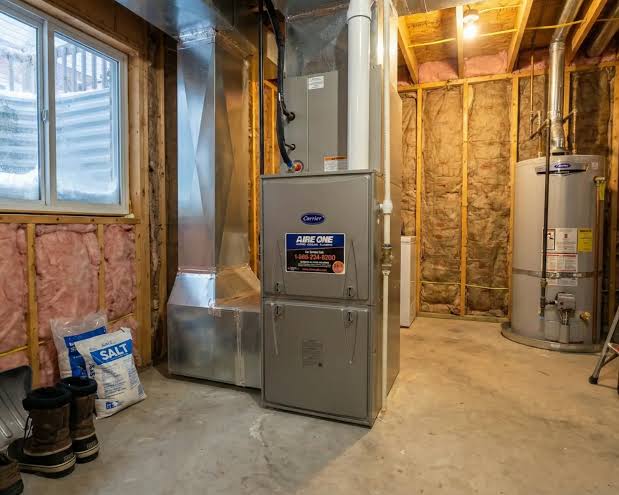
A customer off Monticello Road called us at 7:15 a.m. on a Saturday last February, and before she told me what her furnace was doing, she asked a specific question: “What should I actually be doing right now while I wait for you to get here?” Her furnace had quit overnight, she’d woken up to a 48-degree house, and she wasn’t sure whether there were steps she should be taking or whether she should just huddle under a blanket and wait. The honest answer involved about six things she should be doing and three things she definitely shouldn’t. Most furnace emergencies in Shawnee give homeowners a specific window between the moment they realize something’s wrong and the moment professional response arrives. The actions during that window often determine whether a modest repair stays modest or whether complications develop while the furnace is down. Here are the emergency furnace repair tips that actually help during that window.
Tip One: Assess Before You Do Anything Else
The first action during any furnace emergency isn’t action at all. It’s quick assessment that tells you what category of situation you’re actually dealing with.
The specific assessment questions:
- Is anyone experiencing symptoms including headache, nausea, dizziness, or confusion that could indicate carbon monoxide exposure
- Is there any unusual smell including gas, burning, or chemical odors
- Is the furnace making unusual sounds or showing visible damage
- Are there any visible safety concerns including smoke, flame outside the burner compartment, or electrical issues
- Is the home becoming cold quickly or slowly
- What’s the outside temperature and expected weather window
- Are there vulnerable occupants including infants, elderly, or anyone with health conditions
- Is the furnace completely non-functional or running but not heating
For the Monticello Road customer, her assessment revealed no symptoms in the home, no unusual smells, no visible damage, and no sounds from the furnace at all. The quiet furnace plus the simple no-heat pattern pointed toward a non-emergency electrical or control issue rather than a safety situation. That category distinction significantly affected what actions were appropriate.
For Shawnee homeowners generally, the first-minute assessment tells you whether you’re dealing with a dangerous situation requiring evacuation or a comfort situation requiring patience. The response to each is very different.
Tip Two: Handle Safety Issues First and Decisively
If the initial assessment reveals any safety concerns, the specific response pattern prevents problems from worsening while response is arranged.
The specific safety response actions:
- For any gas smell evacuate the home immediately, don’t operate electrical switches, call the gas utility (Kansas Gas Service at 888-482-4950) and emergency furnace repair from outside the home
- For carbon monoxide alarm evacuate immediately, call 911 if anyone has symptoms, open windows if briefly re-entering, don’t re-enter until cleared
- For visible flame outside the burner compartment shut off the furnace at the breaker, open windows for ventilation, call for immediate service
- For electrical burning smell shut off the furnace at the breaker, don’t attempt to restart, call for service
- For any smoke shut off the furnace, ventilate the area, call for immediate service
For any of these safety situations, the correct response is shutdown first and professional response second. Attempting to diagnose or resolve safety issues during the emergency itself creates risk that proper shutdown and professional response avoids. For furnace repair situations involving safety concerns, this pattern consistently produces the best outcomes.
For non-safety situations, the response approach is very different. The specific distinction between safety and comfort situations is the single most important tip during furnace emergencies.
Tip Three: Try the Basic Checks Before Calling (For Non-Safety Situations)
For furnace emergencies that don’t involve safety concerns, several quick checks occasionally resolve the situation or at least identify the specific issue to describe when you call.
The specific basic checks:
- Thermostat verification including settings, batteries if applicable, and whether it’s calling for heat
- Breaker check at the electrical panel for the furnace circuit which may have tripped
- Furnace switch at the unit itself (looks like a regular light switch near the furnace) which occasionally gets bumped
- Pilot light on older furnaces that may have gone out (not applicable to newer electronic ignition systems)
- Air filter check which if severely clogged can trigger safety shutdown
- Gas supply verification that gas service is active (check a gas stove or water heater)
- Furnace door verification that the front panel is properly closed since safety switches prevent operation when open
- Condensate drain on high-efficiency furnaces where a clogged drain can trigger shutdown
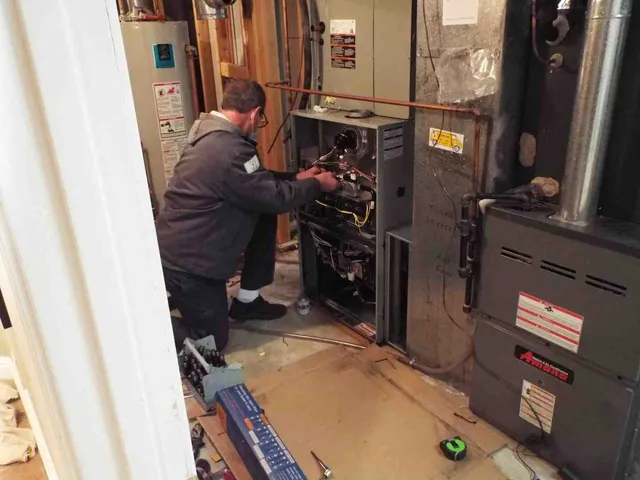
For the Monticello Road situation, the basic checks revealed that her thermostat was reading correctly, her breaker was on, her furnace switch was on, her gas was flowing, and her filter was reasonably clean. The checks didn’t resolve the problem but confirmed the issue was inside the furnace itself rather than in the supporting systems.
Tip Four: Protect the Home While You Wait
Once professional response is arranged, specific actions protect both comfort and the home itself while the furnace is down.
The specific home protection actions:
- Close window coverings especially during daytime to retain whatever heat remains
- Close doors to unused rooms reducing the volume needing to stay warm
- Shut interior doors near cold exterior walls to protect against cold migration
- Open cabinet doors under sinks on exterior walls to prevent pipe freezing if temperatures will drop significantly
- Let faucets drip slightly on exterior walls if freezing is a concern during extended waits
- Use space heaters appropriately following safety guidelines including never unattended and never on carpet or near flammables
- Layer clothing rather than cranking up portable heaters that create their own risks
- Keep pets in warmer central areas of the home
- Shift family activities to the warmest areas of the house
For Shawnee homes specifically, the combination of typical Kansas City winter temperatures and standard residential construction means significant heat loss occurs within hours of furnace failure. Properties where these protection steps are taken promptly hold heat much better than properties where occupants simply wait passively.
For the Monticello Road situation, she had her home closed up with window coverings down by the time I arrived, which had preserved enough heat that the interior was still comfortable despite the overnight furnace outage. The specific actions she’d taken made the wait substantially more pleasant than it would have been otherwise.
Tip Five: Document for Both Repair and Insurance Purposes
The emergency itself is a moment when specific documentation helps both the immediate repair and any potential downstream considerations.
The specific documentation actions:
- Note the time the issue was first observed
- Photograph any visible conditions including smoke damage, water leaks, or component damage
- Document the symptoms including sounds, smells, visible indicators, and timing
- Record any error codes displayed on newer furnaces
- Note room temperatures at intervals during the wait
- Keep receipts for any emergency measures including hotel stays if necessary
- Save text and email communications with the HVAC company
- Document any related damage including burst pipes if freezing occurs
For most furnace emergencies, this documentation isn’t strictly necessary but occasionally proves valuable for insurance claims if secondary damage develops, warranty claims if the issue involves recently installed equipment, or just accurate communication with the service technician.
For the Monticello Road homeowner, her documentation wasn’t particularly consequential for her specific repair, but the habit of documenting during emergencies serves homeowners well across the range of situations they may encounter.
Tip Six: Communicate Clearly With the Service Technician
When professional response arrives, specific communication helps the technician diagnose and address the situation efficiently.
The specific communication practices:
- Describe the timeline of how the issue developed
- Share your basic check results so the technician doesn’t repeat them
- Mention any unusual sounds or smells you noticed before or during the emergency
- Report any error codes you observed
- Identify any recent changes including thermostat adjustments, recent maintenance, or other factors
- Explain any attempts you made to resolve the situation
- Describe the pattern including whether the issue is constant or intermittent
- Note any secondary concerns that have developed during the wait
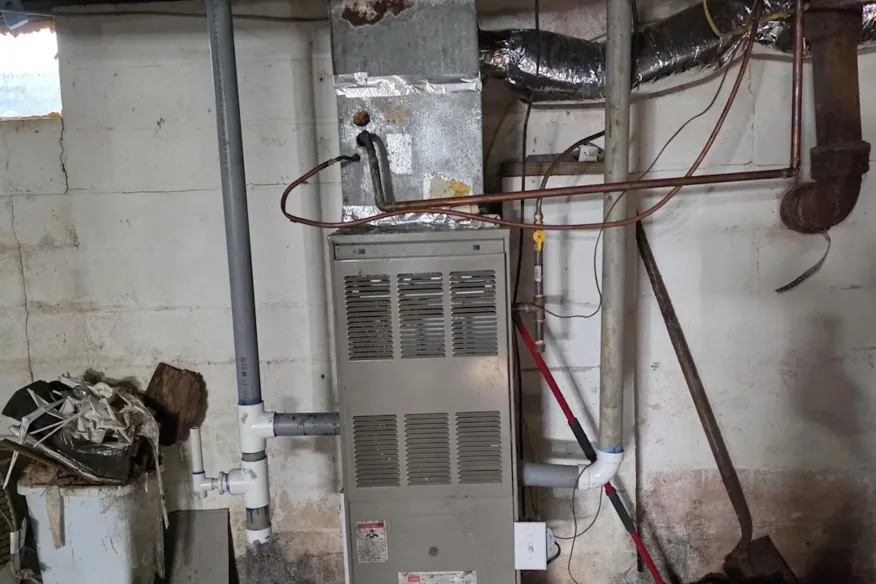
For the Monticello Road situation, her communication included the specific timeline, her basic check results, and her observation that the furnace had been slightly louder than usual during the previous week. That last observation turned out to be relevant to the specific diagnosis (a failing blower motor bearing that had progressed overnight to complete failure). Her observation saved diagnostic time and produced a quicker resolution than starting from scratch would have.
For Shawnee homeowners generally, clear communication during emergency repairs consistently produces faster, better outcomes than either minimal communication or excessive extraneous information. The specific technician-helpful observations differ from what homeowners often think matters most.
What Furnace Emergency Response Actually Reduces To
Emergency furnace repair tips come down to the specific actions that make the window between problem onset and professional response work better: quick category assessment distinguishing safety from comfort situations, decisive handling of any safety concerns, basic checks that occasionally resolve non-safety situations, home protection that preserves comfort during waits, documentation that supports both immediate repair and potential downstream needs, and clear communication that helps technicians address situations efficiently. Shawnee homeowners who understand these specific tips consistently handle furnace emergencies better than homeowners facing emergencies without specific preparation. The Monticello Road situation got resolved quickly because the homeowner had assessed carefully, done appropriate basic checks, protected her home effectively, and communicated clearly when I arrived. For every Shawnee homeowner facing a furnace emergency during a Kansas City winter, these specific tips consistently make the emergency window shorter and the response more effective than passive waiting would produce.
Get Emergency Furnace Repair Response at Your Shawnee Home
The team at Air Care is ready to help. Contact us today for emergency furnace repair at your Shawnee, KS home with 24/7 availability during heating season, systematic diagnostic approach, and the communication that makes your preparation during the emergency wait work together with our response for the fastest resolution.
