

A customer off Johnson Drive called us last December with a specific complaint that didn’t quite add up. Her furnace was working fine. Her thermostat was reading correctly. Her bills weren’t unusually high. But her home didn’t feel comfortable. The upstairs rooms felt cold while the main floor felt stuffy. The air felt dry. She had one bedroom that always felt slightly chilly regardless of what the thermostat said. She wanted to know whether these were furnace problems or something else. The honest answer involved a lot of “something else.” Indoor comfort during Kansas City winters involves more than whether the furnace runs properly. A system that heats adequately can still produce a home that doesn’t feel comfortable. Here’s how to actually improve indoor comfort during winter beyond the basic question of whether the heat is on.
Thinking About Humidity Before Temperature
Most homeowners default to adjusting the thermostat when comfort feels off. The temperature often isn’t actually the problem. Winter indoor air in Kansas City is typically very dry because cold outside air holds less moisture, and heated indoor air drops below comfortable humidity levels quickly.
The specific humidity-related comfort issues:
- Dry air feels cooler than the same temperature at proper humidity, prompting thermostat increases that don’t actually solve the comfort problem
- Static electricity increases noticeably when humidity drops below 30%
- Respiratory discomfort including dry sinuses, scratchy throats, and worsened allergy symptoms
- Skin dryness particularly on hands, lips, and areas exposed to heated air
- Wood furniture and flooring showing signs of dryness including cracks and gaps developing
- Static hair and clothing issues
- Houseplants struggling with the dry conditions
For most Shawnee homes during active heating season, indoor humidity drops into the 20-30% range without additional humidity management. Comfortable humidity ranges from 35-50%. The gap between actual and comfortable produces substantial comfort impact.
For homeowners addressing humidity, options range from portable humidifiers (which address single rooms but require regular maintenance) to whole-home humidifiers integrated with the furnace (which address the entire home but require professional installation). For HVAC service considerations, whole-home humidification is one of the most impactful comfort improvements available during Kansas City winters.
For the Johnson Drive customer, her humidity was measuring at 22% when I visited. Addressing just the humidity issue through whole-home humidifier installation resolved much of her “stuffy main floor and dry air” complaint before any other changes.
Addressing Cold Spots Rather Than Cranking the Thermostat
The second common comfort issue is specific rooms or areas that feel cold while the rest of the home is comfortable. The instinctive response is turning up the thermostat, which doesn’t actually solve the problem and increases heating costs significantly.
The specific cold spot causes:
- Inadequate supply airflow to specific rooms from ductwork design or blockages
- Return air problems affecting how air circulates in specific areas
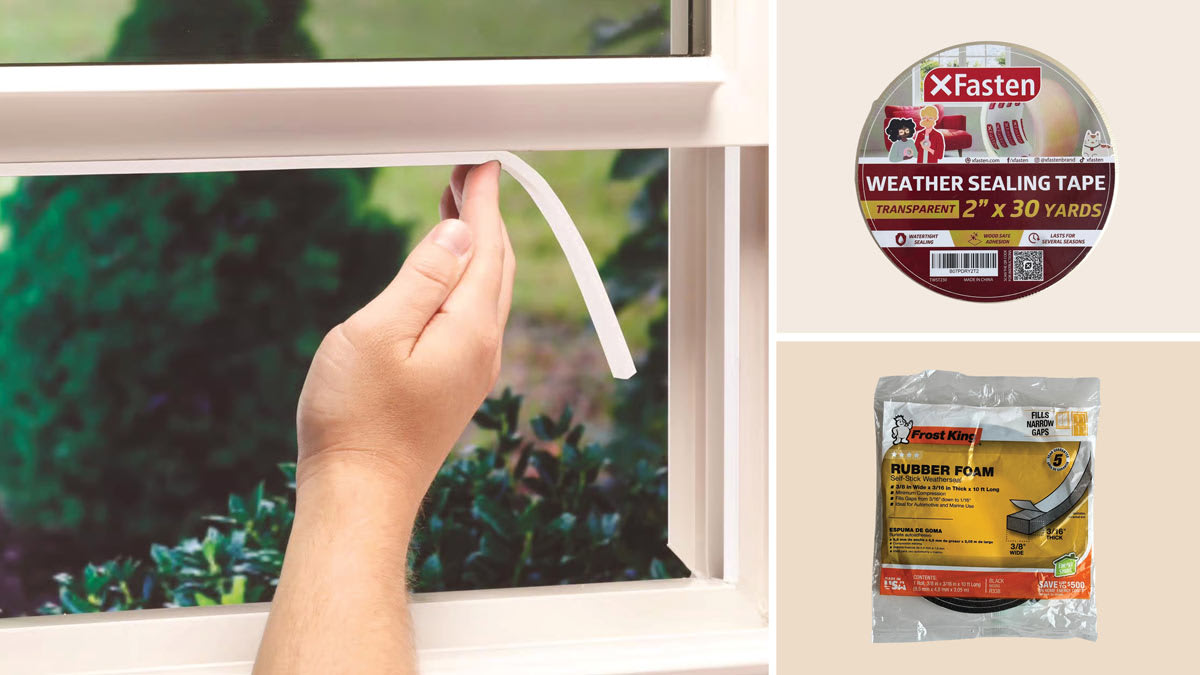
- Window and door drafts allowing cold air infiltration
- Insulation gaps in specific walls or ceilings
- Radiator or baseboard issues on homes with hydronic heating
- Zone control problems on homes with zoned heating systems
- Register and vent blockages from furniture, curtains, or stored items
- Ductwork leakage in attics or crawlspaces losing heated air before it reaches rooms
For the Johnson Drive customer’s cold upstairs bedroom, the diagnosis involved a combination of window drafts around a bedroom window that had developed seal issues plus a supply register that had been partially blocked by a dresser. Addressing both issues resolved the cold bedroom problem without any thermostat adjustment.
For Shawnee homes generally, cold spot issues typically have specific identifiable causes rather than being general system problems. Addressing the specific causes is both more effective and less expensive than compensating through higher thermostat settings.
Managing Air Movement for Even Heating
Air movement throughout the home affects how evenly heating distributes. Most homes have patterns where some areas get excellent air circulation and others don’t, which produces comfort inconsistency.
The specific air movement considerations:
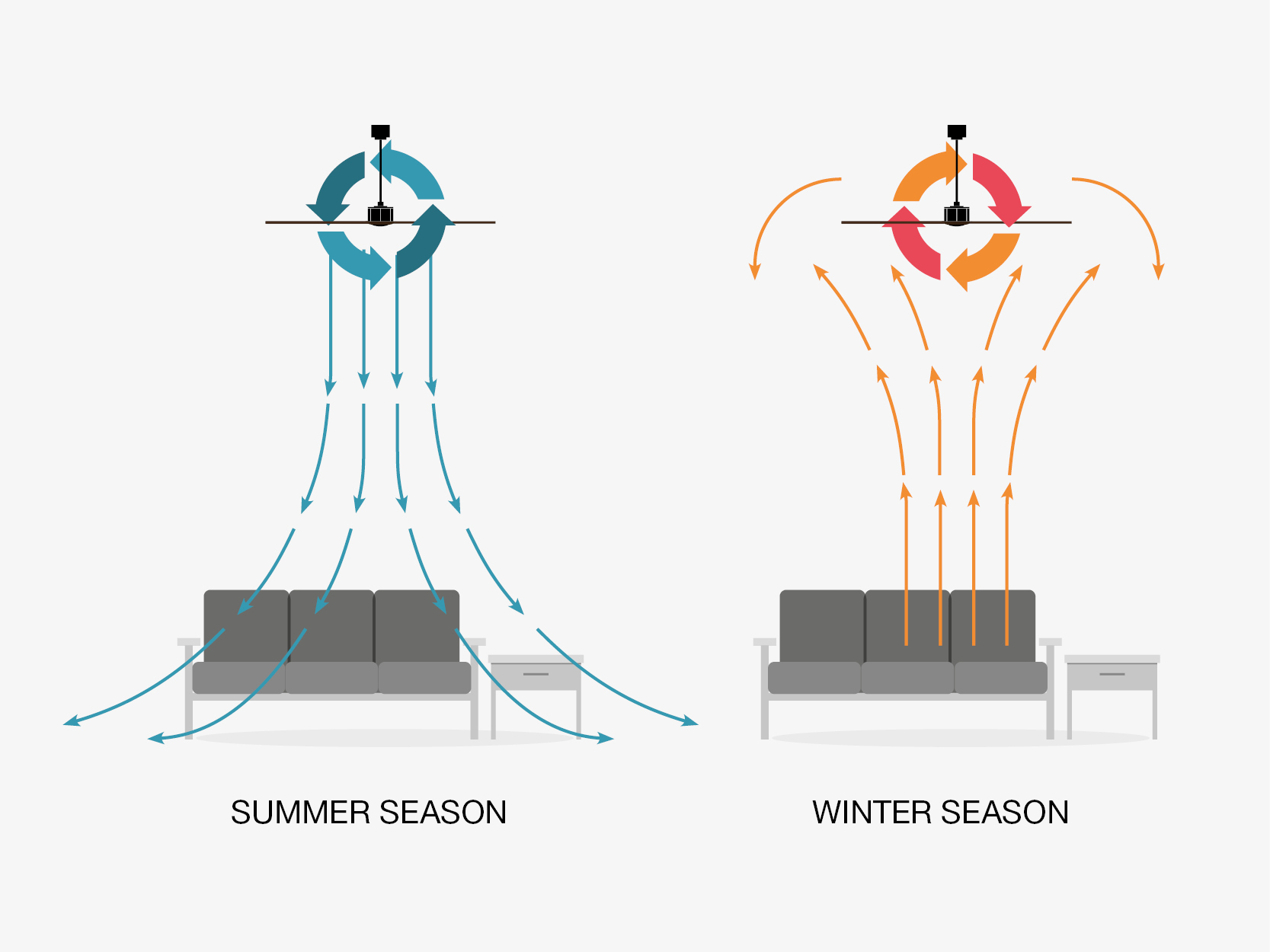
- Ceiling fan reverse operation during winter pushing warm air down from ceilings where it naturally rises
- Supply register orientation directing air toward occupied areas rather than corners or dead zones
- Return air pathways verified clear so the system can actually pull air from throughout the home
- Door positioning affecting how air moves between rooms
- Furniture arrangement considering air circulation paths
- Blower operation on “on” versus “auto” affecting continuous versus cycled circulation
- Specific stratification in rooms with high ceilings or significant vertical space
For Shawnee homes with two-story designs where upstairs feels warmer than downstairs during heating season, the stratification is often addressable through continuous blower operation and strategic ceiling fan use. The combination moves air enough to reduce temperature differences between floors.
Paying Attention to the Thermostat Beyond Temperature
The thermostat is more than just the temperature control, and using its full functionality improves comfort beyond what simple temperature adjustment achieves.
The specific thermostat optimization:
- Scheduling that matches actual household patterns rather than defaulting to single setpoints
- Setback moderation rather than extreme setbacks that create long recovery periods
- Blower setting choosing between continuous and auto operation based on comfort preferences
- Humidity integration on thermostats connected to whole-home humidification
- Smart thermostat features including room sensors, learning algorithms, and remote access
- Location verification that the thermostat isn’t in a non-representative location
- Calibration confirming the thermostat reads actual temperatures accurately
For modern smart thermostats specifically, the features often remain unused by homeowners who treat them like simple thermostats. Features including room sensors, variable scheduling, and comfort-based algorithms significantly improve the comfort these thermostats can deliver when actually used.
For the Johnson Drive customer, her thermostat was set to an aggressive overnight setback that was producing uncomfortable morning conditions as the system struggled to recover. Moderating the setback produced noticeably better morning comfort with minimal cost impact.
Thinking About Air Quality Alongside Temperature
Indoor air quality significantly affects comfort perception beyond simple temperature considerations. Air that feels stale, heavy, or irritating affects comfort even at appropriate temperatures.
The specific air quality considerations:
- Filter quality affecting what gets removed from circulated air
- Ventilation affecting the balance between heated indoor air and fresh outdoor air
- Humidity management affecting both comfort and microbial conditions
- Source control reducing pollutants from household activities
- Air purification options for homes with specific air quality concerns
- UV treatment on HVAC systems addressing biological contamination
- Ductwork cleanliness affecting what gets distributed through the home
- Combustion byproducts verification through proper venting and CO monitoring
For Shawnee homes where occupants experience respiratory symptoms, eye irritation, or general stuffy feelings that correlate with time in the home, air quality attention often produces comfort improvements that temperature adjustments don’t deliver.
For furnace repair situations specifically, discussing air quality alongside basic heating function identifies improvements that homeowners wouldn’t otherwise request. Thorough HVAC contractors address comfort holistically rather than just the specific service request.
Addressing the Envelope Issues the Furnace Can’t Fix
Some comfort issues trace to building envelope problems that no amount of HVAC attention will fully resolve. Recognizing these allows appropriate response rather than frustration with HVAC performance.
The specific envelope-related comfort issues:
- Window performance affecting both temperature and draft comfort
- Door seals affecting infiltration at main entries
- Attic insulation affecting upstairs temperature and ice dam risk
- Wall insulation affecting room-by-room temperature consistency
- Basement or crawl space conditions affecting first-floor comfort
- Air sealing at penetrations throughout the home
- Exterior door and window trim condition affecting drafts
For Shawnee homes built in different eras, envelope characteristics vary substantially. Older homes often benefit significantly from envelope improvements that reduce the heating load the HVAC system has to handle. Newer homes typically have better envelopes but may have specific issues at certain details.
For homeowners whose comfort complaints persist despite HVAC optimization, envelope assessment often identifies the actual cause of ongoing issues. Addressing envelope problems directly produces better outcomes than continued HVAC adjustments trying to compensate for building characteristics.
Making Small Lifestyle Adjustments That Compound
Beyond equipment and envelope considerations, small lifestyle adjustments produce comfort improvements that cost little or nothing.
The specific lifestyle adjustments:
- Opening window coverings during sunny winter days to capture solar heat gain on south-facing windows
- Closing coverings at night to reduce radiant heat loss through windows
- Running exhaust fans only as needed since they remove heated air along with their intended purpose
- Closing doors to unused rooms reducing the volume the system has to maintain
- Layering clothing rather than cranking temperatures
- Managing shower length and temperature to reduce humidity dumping and heated water use
- Cooking schedule considering how oven and stovetop heat affects comfort
- Social activities in warmer central areas versus cooler peripheral rooms
For Shawnee families, these adjustments add up to noticeable comfort improvements without requiring equipment investment. The combined effect often exceeds what any single equipment change would deliver.
For the Johnson Drive customer, several of these small adjustments became part of her household routine after our visit. The combined effect across all the changes produced substantially improved comfort compared to her pre-visit baseline.
What Winter Comfort Actually Takes
Improving indoor comfort during winter involves humidity management beyond temperature adjustment, cold spot resolution rather than thermostat compensation, deliberate air movement for even distribution, thermostat use beyond basic temperature control, air quality attention alongside heating function, envelope considerations the furnace can’t address, and lifestyle adjustments that compound across daily routines. Shawnee homeowners who address comfort across these dimensions consistently see winter indoor conditions that feel noticeably better than homes relying on thermostat adjustment alone. The Johnson Drive customer’s situation resolved favorably because she addressed the actual causes of her specific comfort complaints rather than defaulting to heating system troubleshooting that wouldn’t have solved anything. For every Shawnee homeowner facing similar winter comfort concerns, systematic attention to the real contributing factors consistently produces much better results than attempts to improve comfort through the thermostat alone.
Get Professional Comfort Assessment at Your Shawnee Home
The team at Air Care is ready to help. Contact us today for professional comfort assessment at your Shawnee, KS home that addresses humidity, airflow, air quality, and HVAC optimization together, producing the winter indoor conditions that comprehensive comfort attention consistently delivers.
