
A homeowner off Monticello Road asked me a specific question last fall during his service visit. He wanted to know, if he could only afford to do three things before winter and had to skip the rest, which three mattered most. That’s a question I appreciate because it’s honest. Most homeowners can’t do everything, and the real contractor conversation isn’t about the perfect comprehensive winter prep checklist. It’s about which actions actually make the biggest difference and which ones can wait. HVAC contractor recommendations for winter preparation, when you strip them down to what really matters for Shawnee homes, come down to a priority order that most contractors would agree on if you asked them straight.
The First Priority: Professional Service Before the First Hard Freeze
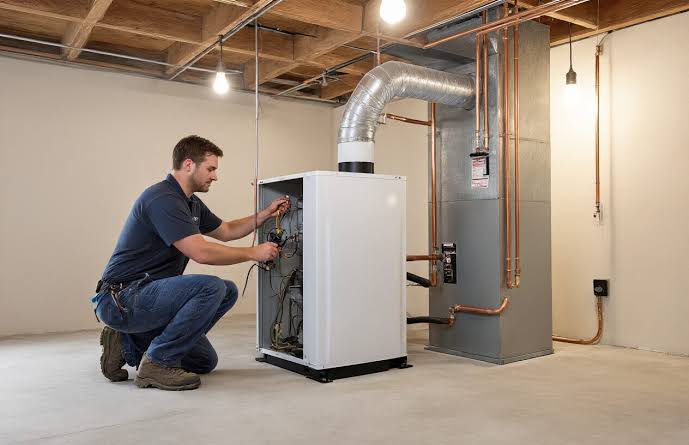
If you only do one thing to prepare your HVAC system for winter, this is it. Professional pre-winter service produces more value per dollar than any other preparation activity, and the timing window for scheduling it closes faster than most homeowners realize.
The specific reasons this ranks first:
- Combustion safety verification catches heat exchanger cracks and carbon monoxide risks that no amount of DIY attention would identify
- Component replacement before failure addresses capacitors, flame sensors, igniters, and other cheap-when-scheduled items that get expensive when they fail during active heating season
- System tuning restores combustion efficiency and airflow that may have drifted from factory specifications
- Problem identification catches developing issues when there’s still time to address them before cold weather forces the hand
- Scheduling access gets you on the technician’s calendar during normal business hours rather than emergency rates during the heating season rush
- Documentation creates a baseline that helps with future diagnosis if problems arise during the season
- Warranty maintenance for systems where annual service is required to maintain manufacturer coverage
For Shawnee homeowners, the window for pre-winter service scheduling tightens quickly through October. The weeks between now and mid-November are the realistic timing for comprehensive furnace maintenance that gets ahead of the heating season. After mid-November, we’re responding to problems rather than preventing them.
For the Monticello Road homeowner, I told him the professional service was non-negotiable among his three choices. The other two slots we could figure out. This one was the foundation everything else depended on.
The Second Priority: Filter Replacement and Thermostat Verification
The two tasks that produce the most benefit for the least effort both involve components homeowners can address directly without any tools or expertise.
The specific second-priority actions:
- Install a fresh high-quality filter sized correctly for your system, with MERV rating matched to the system’s airflow capacity
- Mark the installation date on the filter frame so replacement timing is tracked
- Verify thermostat batteries on battery-powered units, since depleted batteries during cold snaps produce avoidable service calls
- Review thermostat programming for the heating season, including any schedule adjustments from summer cooling settings
- Test thermostat response by calling for heat and confirming the system starts normally
- Check thermostat location for any new sources of false readings including heat-generating appliances, drafts, or sun exposure
- Set up smart thermostat heating schedules if applicable, taking advantage of setback programming for sleeping hours and absences
For Shawnee homes with standard one-inch pleated filters, replacement at the start of heating season is important even if the previous filter looks acceptable. The filter that got through summer with light use is often approaching its usable life limit, and the sustained winter runtime will push it past acceptable condition fast.
For homeowners with four-inch or five-inch media filters, these typically last 6 to 12 months and may not need replacement at season change, but the start of winter is the right time to verify the installation date and plan the next replacement.
The thermostat check takes about three minutes and prevents a surprising number of service calls. We get calls every November from homeowners whose furnaces “stopped working” when the actual problem was a dead thermostat battery that had been slowly depleting since summer.
The Third Priority: Register and Return Air Verification
The third item on my priority list is airflow verification throughout the home, which affects both comfort and system efficiency during winter runtime.
The specific airflow verification steps:
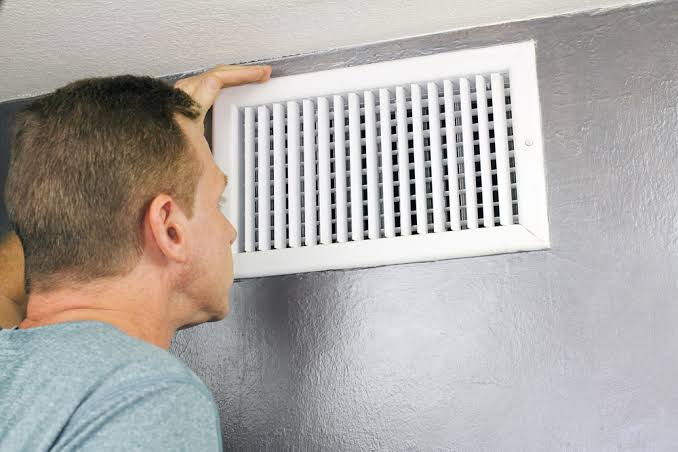
- Walk every room and verify supply registers are open and unobstructed
- Check return air vents for obstructions including furniture, decor, or stored items that may have accumulated during summer
- Verify adequate space around the furnace including combustion air supply and clearance
- Check for closed interior doors that may isolate rooms from return air pathways
- Identify any new obstructions that developed during summer when the air handler wasn’t running
- Address any registers that have been closed off as homeowners sometimes close registers in unused rooms, which affects system static pressure
- Verify humidifier operation on systems with whole-home humidifiers that have been dormant through summer
For Shawnee homes where airflow has been working the same way for years, this check is quick and typically finds nothing. For homes where furniture has been rearranged, additions have been made, or usage patterns have changed, this check often reveals airflow problems that would otherwise produce comfort and efficiency issues through the winter.
For a homeowner off Shawnee Mission Parkway last fall, the airflow walkthrough revealed that a new sectional sofa had been placed directly over a return air vent in the family room. The furnace had been working harder than it needed to for the previous winter because of restricted return air. Moving the sofa three feet produced measurable comfort improvement throughout the home.
The Fourth Priority: Attic and Insulation Check
For homes where insulation hasn’t been inspected recently, the fall timing produces the right conditions to address attic insulation before winter heating load reveals its inadequacies.
The specific attic and insulation checks:
- Visual inspection of attic insulation depth across the attic floor
- Identification of thin or missing areas where coverage has settled or been disturbed
- Review of insulation type and estimation of R-value based on material and depth
- Comparison to current code which specifies R-49 for Zone 4 which includes Shawnee
- Verification of attic access sealing and insulation
- Check for air sealing around penetrations including recessed lights, electrical boxes, and plumbing stacks
- Assessment of ventilation to confirm the attic maintains proper airflow
For older Shawnee homes built before current insulation code (approximately pre-2000), attic insulation is often one of the biggest contributors to heating costs that homeowners can address directly. Blown-in insulation can be added over existing material at relatively modest cost, and the return on investment often shows up in the first winter.
For a customer in the Westbrooke area last fall, adding insulation to bring the attic from an estimated R-19 to R-49 cost roughly $1,800 and produced about $340 in heating cost savings for the subsequent winter. The project pays for itself across a handful of winters and keeps producing savings indefinitely after that.
For preventative maintenance recommendations that produce real savings, the insulation piece complements the furnace efficiency piece in ways that compound. A tuned furnace in a well-insulated home produces much lower heating bills than a tuned furnace in a leaky home.
The Fifth Priority: Air Sealing and Weatherization
The final item on my core priority list addresses air infiltration, which affects heating cost more than most homeowners realize.
The specific weatherization actions:
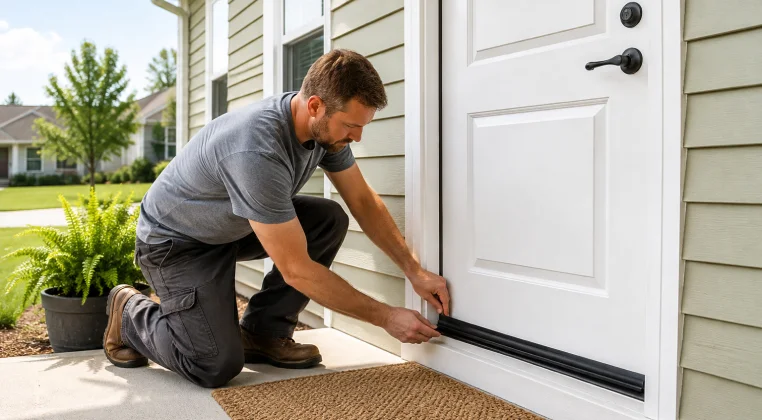
- Weatherstripping replacement at exterior doors where the existing material is compressed, torn, or missing
- Caulking renewal around window frames, door frames, and other exterior penetrations
- Door sweep installation on exterior doors where the gap at the bottom allows air infiltration
- Window seal inspection for failed insulated glass units that have lost their argon fill
- Attic hatch sealing including insulation and weatherstripping around attic access points
- Electrical outlet insulation on outlets installed on exterior walls, using foam gaskets behind the cover plates
- Dryer vent inspection verifying the backdraft damper closes properly when not in use
- Fireplace damper verification since open or sealed-poorly dampers produce substantial heat loss
For Shawnee homes 15 years old or older, weatherstripping typically needs renewal every 5 to 10 years. The caulking around windows and doors deteriorates over similar timeframes. Both are inexpensive materials that take modest time to replace, and the heating cost savings justify the effort for most homes.
For the Monticello Road homeowner who could only do three things before winter, I recommended professional service as the first, filter and thermostat verification as the second, and weatherization as the third because his specific home showed obvious weatherstripping failures I noticed during the walk-through. Different homes get different priority three recommendations based on what the specific property actually needs.
What Falls Below the Priority Cut
The items that don’t make the top-five priority list are legitimate recommendations but produce less value per effort than the five above. For homeowners with time and budget for comprehensive prep, these round out the preparation. For homeowners choosing where to focus, these can wait.
The lower-priority items:
- Humidifier maintenance including pad replacement and operation verification
- Dehumidifier storage for units not needed through winter
- Duct inspection for accessible ductwork
- Carbon monoxide detector testing and battery replacement
- Smoke detector verification across the home
- Chimney inspection on homes with wood-burning fireplaces
- Backup heating source verification for homes with generators or supplemental heating
- Emergency contact information updates including heating contractor numbers
For Shawnee homeowners who can address the top five priorities, these additional items complete a comprehensive winter preparation. Not addressing them doesn’t produce major problems for most homes, but addressing them produces incremental improvements that compound across the winter.
What HVAC Contractor Recommendations for Winter Preparation Really Come Down To
HVAC contractor recommendations for winter preparation in Shawnee come down to a priority order that reflects what actually matters for Johnson County homes facing a real Kansas winter. Professional service first, filter and thermostat second, airflow verification third, insulation check fourth, and weatherization fifth, with everything else as valuable supplement rather than core requirement. The Monticello Road homeowner’s three-item plan produced a winter where his furnace ran smoothly, his bills held steady, and his comfort stayed consistent. The homeowners who skip the top priorities to work on the lower ones often end up with homes that look comprehensively prepared but still have the fundamental issues that drive winter problems and costs. Priority order matters more than comprehensive coverage when choices have to be made.
Get Winter Preparation Recommendations for Your Shawnee Home
The team at Air Care is ready to help. Contact us today to schedule professional pre-winter service at your Shawnee, KS home and get the priority-ordered recommendations that actually produce the best outcomes for your specific property heading into the heating season.
