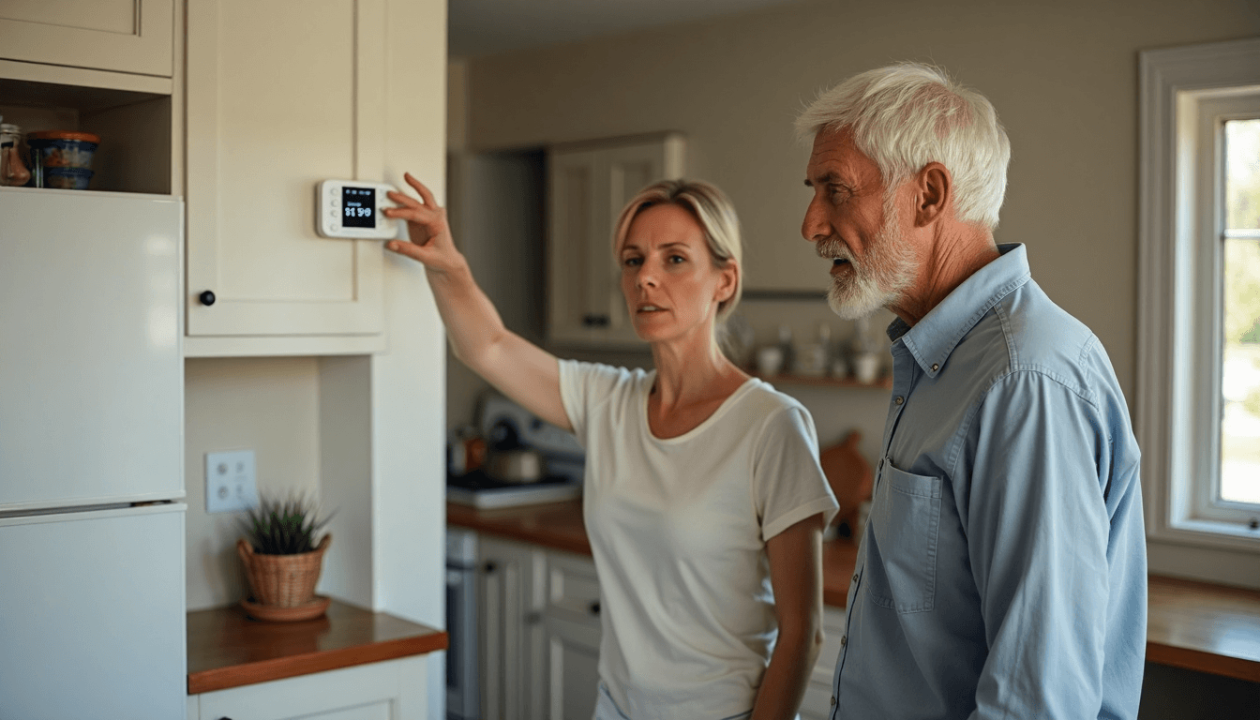
A customer off Pflumm Road called us at 10 p.m. on a Tuesday last winter and told me her furnace was making a sound she couldn’t describe. She apologized for calling that late and said she probably could wait until morning. I asked her a specific question. Was there any smell with the sound? She paused and said, now that I mentioned it, there was something that smelled like burning plastic. I told her to shut the furnace off at the thermostat, go to the breaker box and turn off the furnace circuit, and open windows. We were there within 45 minutes and found a blower motor that had seized and burned its windings. If she’d waited until morning, that situation would likely have become a fire. Not every furnace symptom needs emergency response. But some do, and knowing which signs you need heating repair immediately versus which ones can wait until business hours is the difference between a repair call and a disaster.
The Smells That Mean Shut It Off Right Now
The strongest emergency indicators from a furnace are the ones you smell before you see or hear anything else. These are not situations to monitor. They’re situations to act on immediately.
The specific smells that mean immediate shutoff:
- Burning plastic or electrical smell indicating overheating wiring, motor insulation, or control components, with genuine fire risk
- Rotten egg or sulfur smell indicating a natural gas leak, which requires evacuation plus utility company contact
- Chemical or oily smell that may indicate motor failure, electrical component failure, or refrigerant issues on heat pumps
- Strong smoky smell that persists beyond the brief first-fire-of-season dust burnoff
- Metallic hot-metal smell which can indicate heat exchanger problems or component failures
- Formaldehyde-like smell which can indicate serious combustion issues
For any of these smells, the correct response is the same: shut off the thermostat, shut off the furnace at the breaker, open windows for ventilation, and call for emergency service. Don’t attempt to diagnose. Don’t try to isolate which component. Don’t run the furnace to see if the smell goes away. Just shut it off and call.
For gas smell specifically, the response adds a few steps: don’t operate any electrical switches, don’t use phones inside the home (go outside first), leave the home with any occupants, and call both the gas utility (Kansas Gas Service at 888-482-4950) and your furnace repair contractor from outside the home.
The Pflumm Road customer’s situation was the burning plastic smell. That’s one that almost always precedes something significantly worse. Catching it when she did probably saved her house.
The Carbon Monoxide Indicators That Can’t Wait
Carbon monoxide is the furnace emergency that produces the most serious consequences because it’s invisible, has no smell, and affects people without warning. Specific indicators warrant immediate response.
The specific CO-related emergency signs:
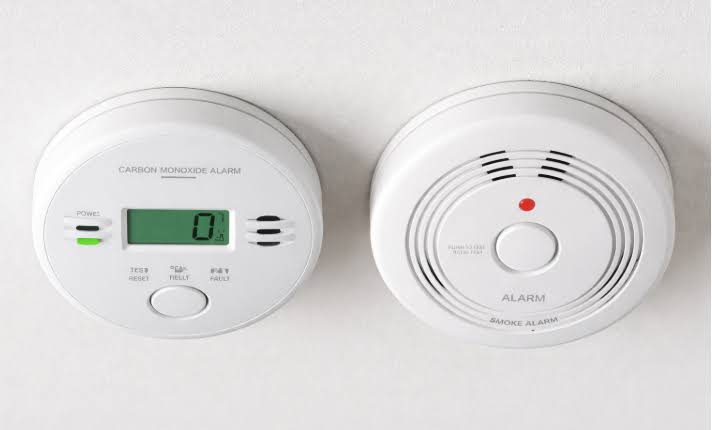
- CO detector alarming at any level, even at low alarm thresholds
- Occupants experiencing headaches that develop and resolve with time at or away from the home
- Occupants experiencing nausea, dizziness, or confusion during heating season runtime
- Multiple family members with similar flu-like symptoms that improve when away from the home
- Pet behavior changes including lethargy or similar symptoms affecting animals
- Yellow or flickering burner flames instead of the normal steady blue flame
- Soot accumulation around the furnace, vents, or burner compartment
- Excessive condensation on windows during heating season that wasn’t present previously
- Visible rust streaks on the flue pipe or around the furnace
For CO detector alarms, the response is immediate: get everyone out of the home, call 911 if anyone is experiencing symptoms, and don’t re-enter until the fire department or utility company has verified the air is safe.
For occupants experiencing symptoms consistent with CO exposure, the medical response takes priority. Carbon monoxide affects people on timelines that don’t allow for waiting. The furnace question can be addressed after everyone is safe.
For Shawnee homes without CO detectors, installation ranks among the highest-priority safety items regardless of furnace age. Working CO detectors on every level of the home with batteries tested each fall are inexpensive insurance against the most serious furnace emergency scenario.
The Mechanical Sounds That Signal Immediate Attention
Some furnace sounds are normal. Some mean call during business hours. A specific set mean call right now.
The specific sounds that warrant immediate response:
- Loud banging on startup that may indicate delayed ignition, which produces a mini-explosion inside the burner compartment with every start
- Loud mechanical grinding or scraping indicating motor or blower wheel damage that will fail completely and may damage adjacent components
- Loud buzzing or humming from the furnace that wasn’t present previously, often indicating electrical component failure
- Screeching or metal-on-metal sounds indicating bearing failure that will progress rapidly
- Rapid clicking at the control board indicating ignition failure or component problems
- Rhythmic rumbling during operation that may indicate venting problems or combustion issues
- Water running sounds that could indicate condensate drainage problems with electrical risk
For any of these sounds, shutting the furnace off until it can be properly diagnosed produces better outcomes than continuing to run it. A furnace making alarming sounds that gets another night of use often becomes a furnace that needs replacement rather than repair.
For a customer off Nieman Road last January, the loud grinding sound she’d been hearing for three days during furnace operation turned out to be bearings in the inducer motor that had failed. Had she called when the sound first appeared, we’d have replaced the motor for a few hundred dollars. By the time she called, the motor had seized completely and damaged the control board, pushing the repair into significantly larger territory.
Not every mechanical sound is an emergency, but the ones listed above are. Normal operational sounds don’t suddenly change character.
The Visible Signs That Mean Call Now
Beyond smells and sounds, specific visible signs warrant immediate attention.
The specific visible emergency indicators:
- Smoke coming from the furnace at any volume, which indicates component failure with fire risk
- Visible flame outside the burner compartment which is a serious safety issue
- Yellow or orange burner flames instead of steady blue, indicating combustion problems
- Flames licking back toward the gas valve indicating serious combustion issues
- Water pooling under the furnace on a high-efficiency unit, indicating condensate problems that may affect electrical components
- Visible rust or corrosion on the heat exchanger area or combustion chamber
- Melted or discolored plastic on wiring, control components, or housing
- Soot accumulation that wasn’t present previously
- Pilot light that won’t stay lit on older standing-pilot units, which may indicate venting problems
For visible flame issues or any smoke, the response is immediate shutoff and call. These are not situations to monitor overnight. The failure mode when things look wrong at the furnace tends to escalate rapidly.
For a customer in the Shawnee Mission Park area who called us about smoke she’d seen from her furnace during startup, the diagnosis turned out to be a severe debris accumulation in the burner compartment from mice that had gotten into the furnace through the summer. The smoke was from the debris burning. Had she continued to run the furnace, the next step would have been fire.
The Operational Patterns That Mean Something Serious Is Developing
Some emergency situations announce themselves through operational patterns rather than dramatic single symptoms.
The specific operational patterns requiring immediate response:
- Furnace won’t shut off even when the thermostat is satisfied, indicating control failure
- Furnace won’t start at all during cold weather with no obvious cause
- Rapid short cycling firing every few minutes for extended periods
- Breaker tripping repeatedly when the furnace runs, indicating electrical issues
- Burning smell with normal operation that persists beyond initial startup
- Air coming from vents is cold when the furnace is running
- Furnace runs continuously but space never warms indicating heating output problems
- Pilot light goes out repeatedly on older units, often indicating venting problems
For a customer off Johnson Drive last winter, the “furnace won’t shut off” situation turned out to be a stuck gas valve. The furnace was running continuously and the space was overheating. She’d shut it off at the breaker when the situation didn’t resolve with thermostat adjustment, which was exactly the right call. We replaced the gas valve the same day.
For breaker-tripping situations specifically, repeated tripping indicates the circuit is seeing current conditions it shouldn’t see, usually from a failing component. Continuing to reset the breaker often turns a repair situation into a replacement situation.
What to Do When You See Any of These Signs
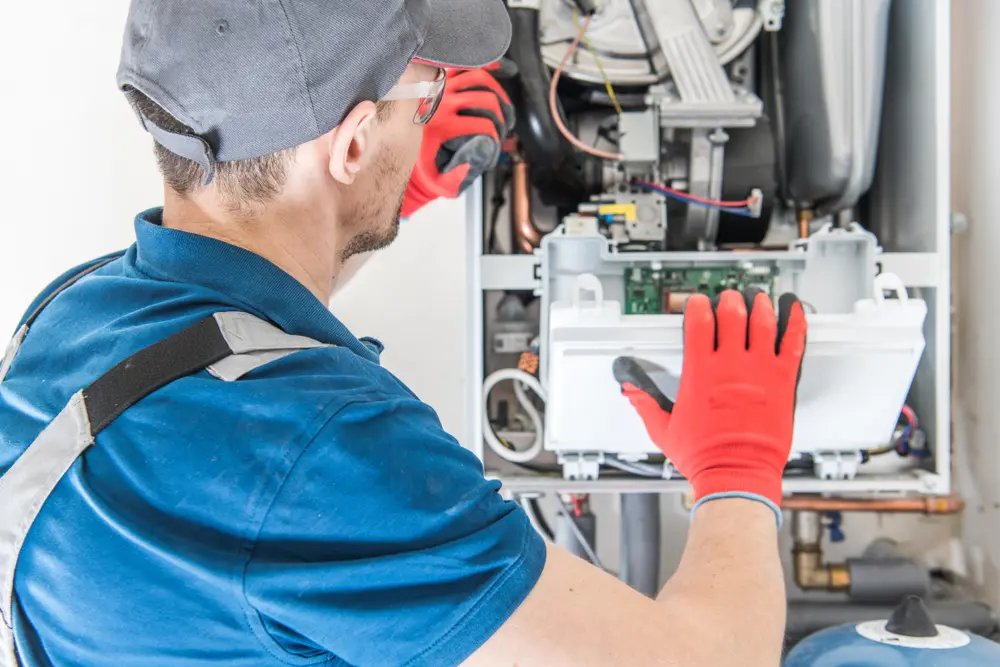
When any of the signs covered above appears, the response pattern is consistent regardless of which specific symptom is involved.
The specific response steps:
- Shut off the thermostat to stop the heating cycle
- Shut off the furnace at the breaker to remove electrical power
- Shut off the gas supply at the furnace valve for gas-related situations
- Open windows if any smell is present or if CO exposure is suspected
- Evacuate the home for gas smell or CO situations
- Call for emergency service from a safe location
- Don’t attempt troubleshooting that involves running the furnace to see if symptoms resolve
- Don’t delay to see if the situation improves overnight
- Document the symptoms so you can accurately describe them to the service dispatcher
For furnace repair services during emergency hours, the response time is usually within the first few hours of the call. The additional cost of emergency service is substantially less than the cost of fire damage, CO exposure consequences, or replacement that becomes necessary when problems progress overnight.
When Immediate Response Is the Difference Between Repair and Replacement
The signs you need heating repair immediately in Shawnee are specific and identifiable: certain smells, carbon monoxide indicators, specific mechanical sounds, specific visible signs, and specific operational patterns. Homeowners who recognize these indicators and respond quickly consistently see outcomes measured in repair bills. Homeowners who assume the symptoms will resolve overnight or who continue running the furnace while deciding whether to call often see outcomes measured in replacement bills or worse. The Pflumm Road customer’s 10 p.m. call wasn’t an overreaction. It was the right response to an actual emergency, and it probably prevented a fire. For every emergency furnace situation we respond to, the homeowners who called quickly consistently come out better than the ones who waited to see what would happen. Immediate response to the specific signs that warrant it is one of the few homeowner decisions that genuinely produces different outcomes.
Get Emergency Heating Repair at Your Shawnee Home
The team at Air Care is ready to help. Contact us today for emergency heating repair at your Shawnee, KS home when the specific signs that warrant immediate response appear, with 24/7 availability during the heating season when timing matters most.
