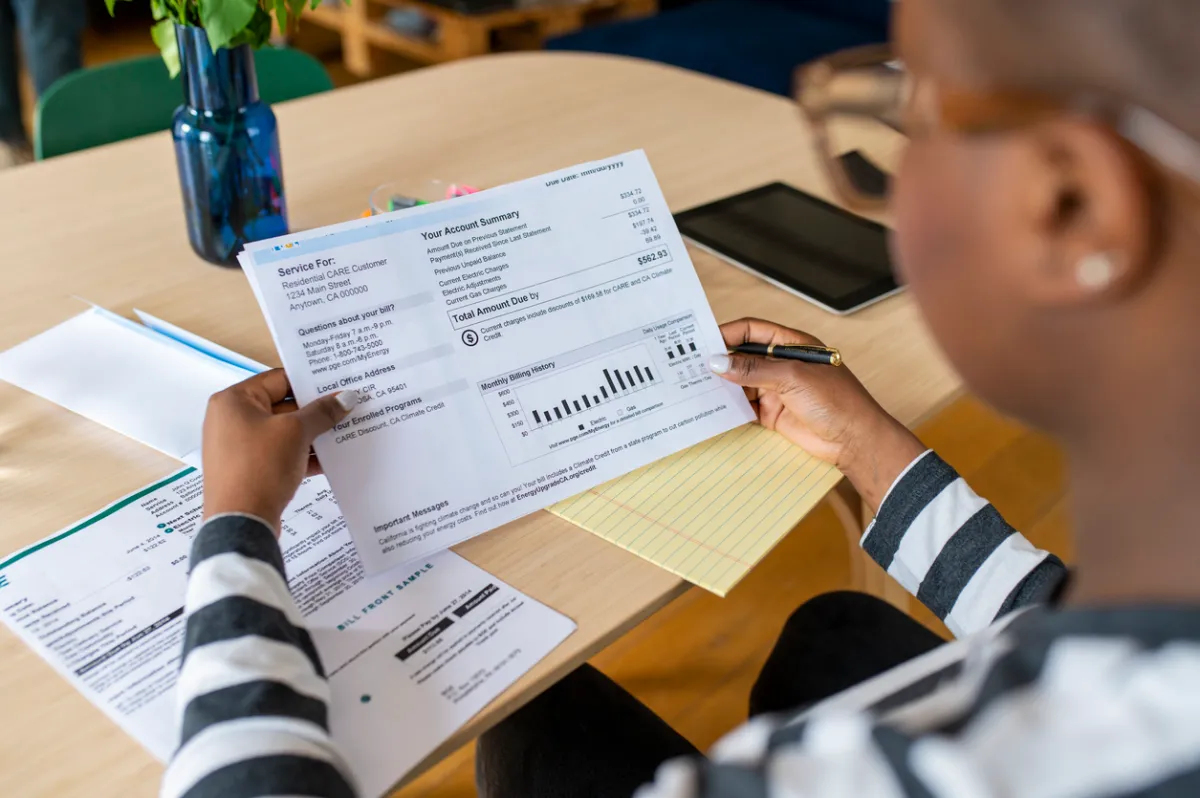
A homeowner off Barker Road brought us a stack of winter heating bills last February and asked us to look at them. The January 2024 bill had run $168. The January 2025 bill had run $214. The January 2026 bill had hit $287. Same house, same family, same thermostat settings as far as she could tell. She wanted to know what was happening. Her situation isn’t unusual, and the honest answer is that heating bills increase for a specific handful of reasons that compound over the years, some she could do something about and some she couldn’t. Understanding why your heating bills increase in Shawnee is what separates the homeowners who address the fixable causes from the ones who just absorb each year’s increase and wonder what’s going on.
The Utility Rate Changes You Have No Control Over
The first and most straightforward contributor to rising heating bills is utility rate increases. Kansas Gas Service and Evergy have both increased rates over recent years, and those increases apply regardless of what you do with your furnace.
The specific utility factors affecting Shawnee heating bills:
- Natural gas commodity price changes that vary with wholesale markets
- Distribution charges that have risen as infrastructure costs have increased
- Monthly service fees that apply regardless of usage
- Winter rate schedules that may differ from summer pricing structures
- Weather normalization adjustments that some utilities apply to specific billing periods
- Taxes and surcharges that can vary from year to year
For Shawnee homeowners, utility rate increases typically account for 3 to 8 percent of year-over-year bill increases during the recent trend period. That’s real, it’s unavoidable, and it affects every home on the system equally. It’s also usually not the primary cause when bills jump substantially year over year.
The Barker Road homeowner’s bill increase from $168 to $287 across two winters was substantially more than utility rate changes would produce. Her bills were going up for other reasons too.
The System Aging You Partly Have Control Over
Furnaces lose efficiency as they age. The rate of loss depends heavily on maintenance history, which is where homeowner control enters the picture.
The specific aging-related efficiency losses:
- Burner buildup that accumulates slowly and affects combustion efficiency
- Heat exchanger deposits that reduce heat transfer effectiveness
- Blower motor wear that gradually reduces airflow efficiency
- Blower wheel debris accumulation that affects air delivery
- Belt wear on belt-drive units that reduces mechanical efficiency
- Capacitor degradation that affects motor operation
- Control component aging that produces less precise operation
- Combustion drift away from original factory specifications
For a Shawnee furnace that received professional service annually, efficiency typically holds within 5 to 8 percent of original performance for the first 10 to 15 years. For a furnace that received little or no professional service, efficiency can decline 15 to 25 percent or more over the same period. The difference shows up directly on heating bills.
A customer we service annually off Nieman Road has had the same furnace for 18 years and his bills have crept up only slightly across that time. A customer two streets over whose furnace went 12 years with minimal service saw his bills climb significantly even before the furnace eventually died. Same house size, same utility rates, substantially different outcomes.
Working with a professional furnace maintenance service annually produces measurable differences in heating bill trends over the years. The cost of annual service is substantially less than the increased heating costs that come with skipped service.
The Building Envelope Problems That Compound Over the Years
Even a perfectly maintained furnace can produce rising heating bills if the home itself is losing more heat than it used to. Building envelope deterioration is one of the most underrated contributors to increasing heating costs.
The specific envelope factors we see in Shawnee homes:
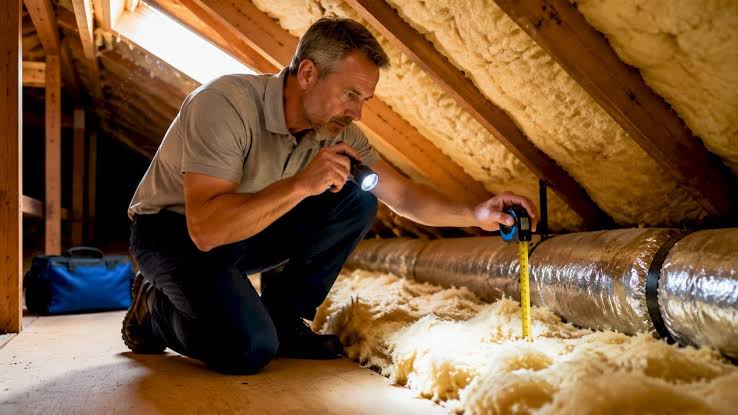
- Insulation settling in attics where original insulation has compressed over decades, reducing R-value
- Weatherstripping failures at doors and windows that have deteriorated over the years
- Caulking deterioration around windows, doors, and other wall penetrations
- Window seal failures on double-pane windows where the gas fill has leaked out
- Duct leakage in attic and crawl space ductwork that progresses over the years
- Attic ventilation issues that affect overall home energy performance
- Vapor barrier failures in older homes that affect wall insulation performance
- Settlement cracks in foundations that allow air infiltration
For older Shawnee homes in neighborhoods like the Nieman Road corridor or similar established areas, the building envelope is often the single biggest contributor to bills that keep climbing. A home built in 1985 with its original attic insulation at R-19 is losing significantly more heat than the same home would with current-code R-49 insulation. The furnace runs more to maintain the same temperature. The bills go up accordingly.
For the Barker Road homeowner, part of her bill increase traced to attic insulation that had settled from its original installation level. Adding insulation to current code specifications reduced her projected heating costs by roughly 15 percent going forward.
The Behavioral Patterns That Homeowners Don’t Realize They’ve Changed
Some heating bill increases trace to changes in household behavior that happened gradually enough that homeowners didn’t notice them. These are often the easiest to address once identified.
The specific behavioral patterns we see:
- Thermostat setting drift where setpoints crept up a degree or two over the years without conscious decisions
- Zone usage changes where previously unoccupied rooms are now being heated
- Added occupancy including grown children returning home, extended family staying, or home-based work increasing daytime heating needs
- Added appliances that affect heating load including supplemental heaters that offset furnace efficiency
- Window and door usage including increased traffic in and out of the home
- Fireplace use changes where open-damper fireplaces produce substantial heat loss
- Ventilation changes including bathroom and kitchen fan usage patterns
- Humidity management where lower indoor humidity makes homes feel colder, prompting higher thermostat settings
For a customer off Westbrooke who called about rising bills last winter, we traced the increase substantially to her thermostat setpoint, which had crept from 68 to 72 over three years. She hadn’t consciously decided to raise it. The programming had been adjusted a few times during visits from family and had never gone back. Four degrees in heating setpoint produces roughly 12 to 20 percent in heating cost difference depending on the home.
Not every rising-bill situation has a behavioral component, but when one exists, addressing it is often the fastest fix available.
The Weather That Nobody Thinks About Until They Look at the Data
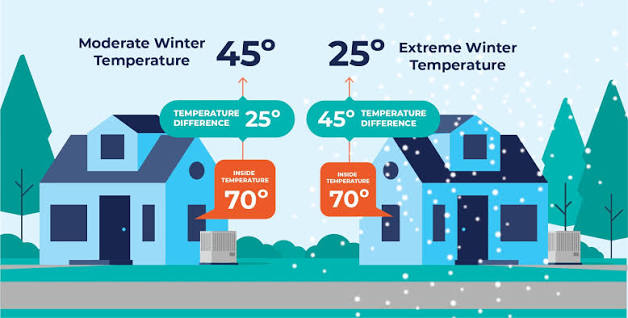
The last contributor to year-over-year bill increases is actually just colder weather in the specific billing period. Shawnee winters vary meaningfully from year to year, and bill comparisons that don’t account for weather can mislead.
The specific weather factors:
- Heating degree days for the specific billing period, which vary 10 to 20 percent across typical Kansas winters
- Polar vortex events that produce extreme cold stretches not present in milder winters
- Snow and ice patterns that affect how long and hard the system runs
- Wind exposure during cold periods that increases heating load
- Overnight temperature patterns that affect runtime more than daytime highs
For Shawnee homeowners comparing bills across winters, checking the heating degree day data for each billing period produces useful context. A $287 January bill during a January that had 1,350 heating degree days represents different efficiency than the same $287 bill during a January that had 900 heating degree days.
The Barker Road homeowner’s three Januarys had progressively colder weather. Weather accounted for maybe 15 percent of her bill increase. The rest traced to the aging and envelope factors we’ve already covered.
How to Actually Address Rising Heating Bills
For Shawnee homeowners facing increasing winter bills, the specific actions that produce real cost improvements:
- Schedule professional furnace service annually to maintain efficiency and catch developing issues
- Address identified maintenance items rather than deferring them from year to year
- Verify attic insulation levels and bring to current code if needed
- Check and renew weatherstripping and caulking every few years
- Have ductwork tested for leakage and address any identified problems
- Review thermostat programming and setpoints for drift or unnecessary heating
- Address any supplemental heating that may be masking furnace problems
- Consider system replacement when the furnace is approaching end of life and efficiency has declined significantly
For furnace repair situations where rising bills indicate a developing problem rather than normal aging, prompt diagnosis and repair produces much better outcomes than waiting until the furnace fails entirely.
For the Barker Road homeowner, her plan ended up including furnace service that caught a flame sensor issue and some combustion drift, insulation upgrade in her attic, and weatherstripping replacement on her front door and three windows. Her next January bill came in at $221, substantially below the $287 trend and genuinely addressing the underlying causes.
Rising Heating Bills Trace to Specific Causes You Can Identify
Why your heating bills increase in Shawnee usually comes down to utility rate changes, system aging and efficiency loss, building envelope deterioration, behavioral drift, and weather variation, in some combination specific to your home. Homeowners who identify which factors are driving their specific bill increases can address the fixable causes rather than absorbing each year’s increase as inevitable. The Barker Road homeowner’s bills went from climbing uncontrolled to actually dropping once we worked through the specific causes. That outcome is available for most Shawnee homes where rising bills have become a pattern. The first step is figuring out which factors are actually driving the increase for your specific situation.
Get an Honest Look at Your Shawnee Home’s Rising Heating Bills
The team at Air Care is ready to help. Contact us today to schedule professional diagnosis at your Shawnee, KS home and identify the specific causes behind your rising heating bills with practical recommendations for addressing them.
